

Feeling unattractive from time to time is common. But when concerns about your appearance keep returning and begin shaping how you see yourself or live your life, they may be connected to stress, comparison, low self-esteem, or an underlying mental health condition.
Is it normal to feel unattractive sometimes?
Yes. Most people have moments when they don’t like how they look or feel less attractive than usual.
Feeling that way doesn’t mean there’s anything wrong with you.
When does feeling ugly become a problem?
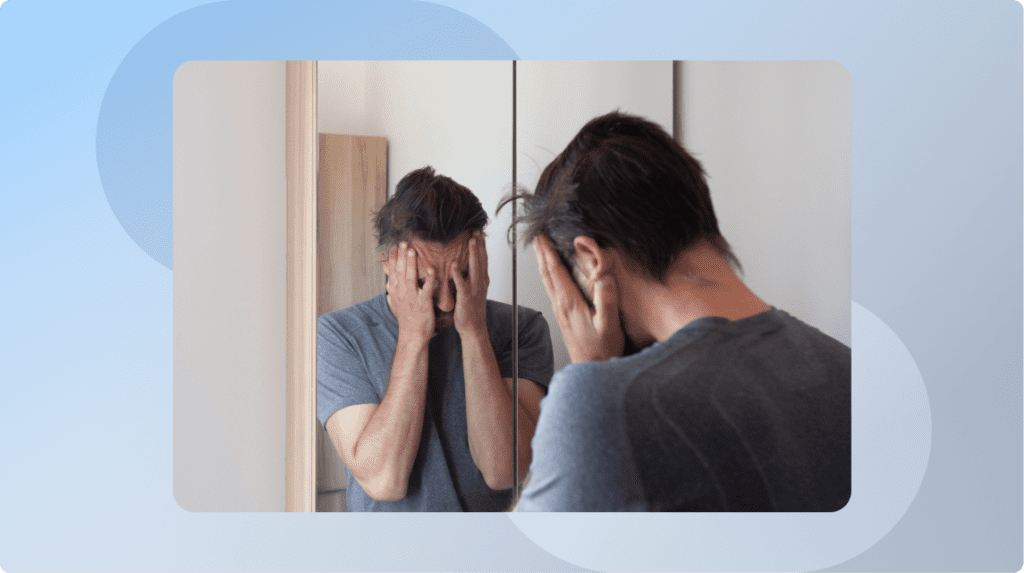
Feeling unattractive becomes more concerning when thoughts about your appearance are persistent, distressing, or hard to disengage from. You may spend a lot of time checking mirrors, comparing yourself to other people, avoiding photos or social situations, changing how you eat or dress, or seeking reassurance about how you look.
Why do I feel so unattractive?
- Stress, mood, or exhaustion. When you’re stressed, overwhelmed, sleep-deprived, or feeling low, you may become more critical of yourself—including how you look. Negative thoughts about your appearance can become harder to brush off when you’re already emotionally depleted.
- Social comparison and beauty standards. Comparing yourself to people online, in media, or in your everyday life can make certain features feel more noticeable or inadequate. Beauty standards can also influence what you believe you are supposed to look like.
- Comments, bullying, or rejection. Criticism about your appearance—especially when it happens repeatedly or comes from someone important to you—can affect how you see yourself long after the comment or experience is over.
- Changes in your appearance. Aging, weight changes, acne, hair loss, pregnancy, illness, or other changes to your body can make your appearance feel unfamiliar and affect how comfortable or confident you feel in it.
- Low self-esteem. When you already feel badly about yourself, you may become more critical of your appearance, focus heavily on perceived flaws, or assume other people notice them as much as you do.
Is feeling unattractive a sign of a mental health condition?
It can be.
Feeling unattractive does not necessarily point to a mental health condition. But for some people, persistent distress about how they look can be connected to an underlying condition.
Body dysmorphic disorder
Body dysmorphic disorder (BDD) involves becoming intensely preoccupied with perceived flaws in your appearance that may be minor or not noticeable to other people. You may spend a lot of time checking mirrors, comparing yourself to others, grooming or camouflaging certain features, seeking reassurance, or avoiding situations where you worry other people will notice how you look.
Eating disorders
For some people, feeling unattractive is closely tied to concerns about body shape, weight, or eating. These concerns may be part of an eating disorder, especially when they begin to affect how you eat, exercise, weigh or measure yourself, or evaluate your body.
Gender dysphoria
Appearance-related distress can also be connected to gender dysphoria. You may feel deeply uncomfortable with certain physical features because they do not align with your gender identity. In this case, the distress is not simply about whether a feature looks attractive, but about whether your body or appearance feels congruent with who you are.
Obsessive-compulsive disorder
Appearance-related distress can sometimes overlap with obsessive-compulsive disorder. However, when obsessions and compulsions center specifically on perceived flaws in your appearance, body dysmorphic disorder may be a better fit than OCD. A clinician familiar with both conditions can help clarify what’s behind the symptoms and which treatment is most appropriate.
Appearance distress can come from very different places, and those differences matter. Understanding what’s driving the concern helps us choose treatment that addresses the actual problem.
April Kilduff, MA, LCPC, LMHC, LPC
What can I do to feel better about my appearance?
Feeling better about your appearance can mean becoming less preoccupied with how you look and less likely to let those thoughts shape your day.
- Pay attention to how social media affects you. Social media can make it easy to compare your appearance with other people or with highly curated images. If scrolling consistently leaves you feeling worse about how you look, consider limiting your time on social media or changing the accounts and content you follow.
- Spend time with people who make you feel valued beyond your appearance. Supportive friends, family members, or partners can help reinforce that your relationships and worth are not determined by how you look.
- Take care of yourself even when you don’t feel attractive. Feeling unhappy with your appearance can make it tempting to withdraw or neglect yourself. Try to keep doing things that support your well-being, whether that means getting enough rest, eating regularly, moving your body, spending time outside, or doing things you enjoy.
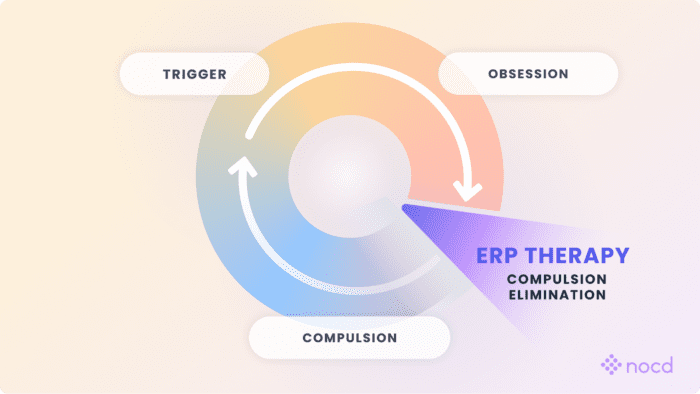
If concerns about your appearance are persistent, distressing, or interfering with your life, therapy may help. The right treatment depends on what’s behind the distress. Body dysmorphic disorder may be treated with cognitive behavioral therapy tailored to BDD. Eating disorder treatment may combine psychotherapy with nutritional support and medical monitoring, depending on the condition and its severity. Gender dysphoria may be addressed through individualized gender-affirming care. Exposure and response prevention (ERP) is the first-line psychological treatment for OCD.
The goal is not necessarily to love everything about how you look. It is to reach a point where concerns about your appearance take up less space and have less control over how you live.

Find the right OCD therapist for you
All our therapists are licensed and trained in exposure and response prevention therapy (ERP), the gold standard treatment for OCD.
Bottom line
Feeling unattractive sometimes is common. But when concerns about your appearance become persistent, distressing, or start interfering with your life, it may be worth looking more closely at what is driving them.
Whether the cause is comparison, low self-esteem, body dysmorphic disorder, an eating disorder, gender dysphoria, OCD, or something else, understanding the source can help you find a way forward that is actually suited to what you’re experiencing.